
Buying your first motorcycle gear can quickly feel overwhelming. Safety ratings, membranes, protector levels. Lots of terms, little guidance.
This guide shows you what motorcycle gear you really need as a beginner, what matters, how to avoid common mistakes, and which iXS products will make your start on a motorcycle easier.
The Essentials: What You Really Need
In addition to a helmet, which is legally required, a complete set of gear keeps you safe on your first kilometres:
- Helmet (mandatory)
- Motorcycle jacket with protectors
- Motorcycle trousers
- Gloves
- Motorcycle boots
- Airbag vest (optional, but recommended)
A complete setup is essential. Individual components are no substitute for a well-thought-out full kit. Especially as a beginner, you should go for full-body protection from the very start.

Safety First – What Really Matters
Safety is the most important factor in motorcycling. The right gear not only protects you in an emergency, but also ensures you can fully focus on riding.
CE Certification Explained Simply
- AAA – highest protection class, maximum abrasion resistance
- AA – high protection for versatile use
- A – basic protection for lower speeds
The higher the class, the longer the material withstands a slide. At higher speeds, this is critical. AA gives you the best price-to-performance ratio, especially when you're just starting out. Make sure your jacket and trousers meet this certification. At iXS you'll find jackets and trousers in the various certification classes.
Protectors: Level 1 vs. Level 2
Level 1 – basic protection against impact energy
Level 2 – significantly higher protection and better cushioning
The difference lies in energy absorption. For beginners, Level 2 is worthwhile, especially with regular use. That's why all our jackets come with Level 2 protectors.
Abrasion Resistance – Often Underestimated
Motorcycle gear is designed to protect you when sliding on asphalt. Regular clothing tears within seconds. Motorcycle gear, on the other hand, prevents direct skin contact with the road. Even at low speeds, serious injuries can occur without suitable gear.
The Underrated Factor: Fit
One decisive point that no certification can replace is fit. If your gear doesn't fit correctly, it loses a large part of its protective function.
- Protectors don't stay exactly in position
- Material twists in a crash
- Clothing that is too loose shifts out of place
Motorcycle gear should therefore fit close to the body – without being restrictive. The best test is not a look in the mirror, but the riding position. That's where you really see whether everything fits properly. Ask in the store if you can sit on a motorcycle to test it.

Extra Protection: Airbag
Airbags provide additional protection for the upper body, back and neck, and are becoming increasingly relevant – including for beginners.
- Complement classic protective gear
- React in fractions of a second in an emergency
- Reduce injuries to critical body areas
It's important that your jacket is designed for use with an airbag. At iXS, all new jackets are 100% Airbag Ready for any airbag system worn under the jacket. You can identify this by the "Airbag Ready" label.
Fit & Comfort – The Right Balance
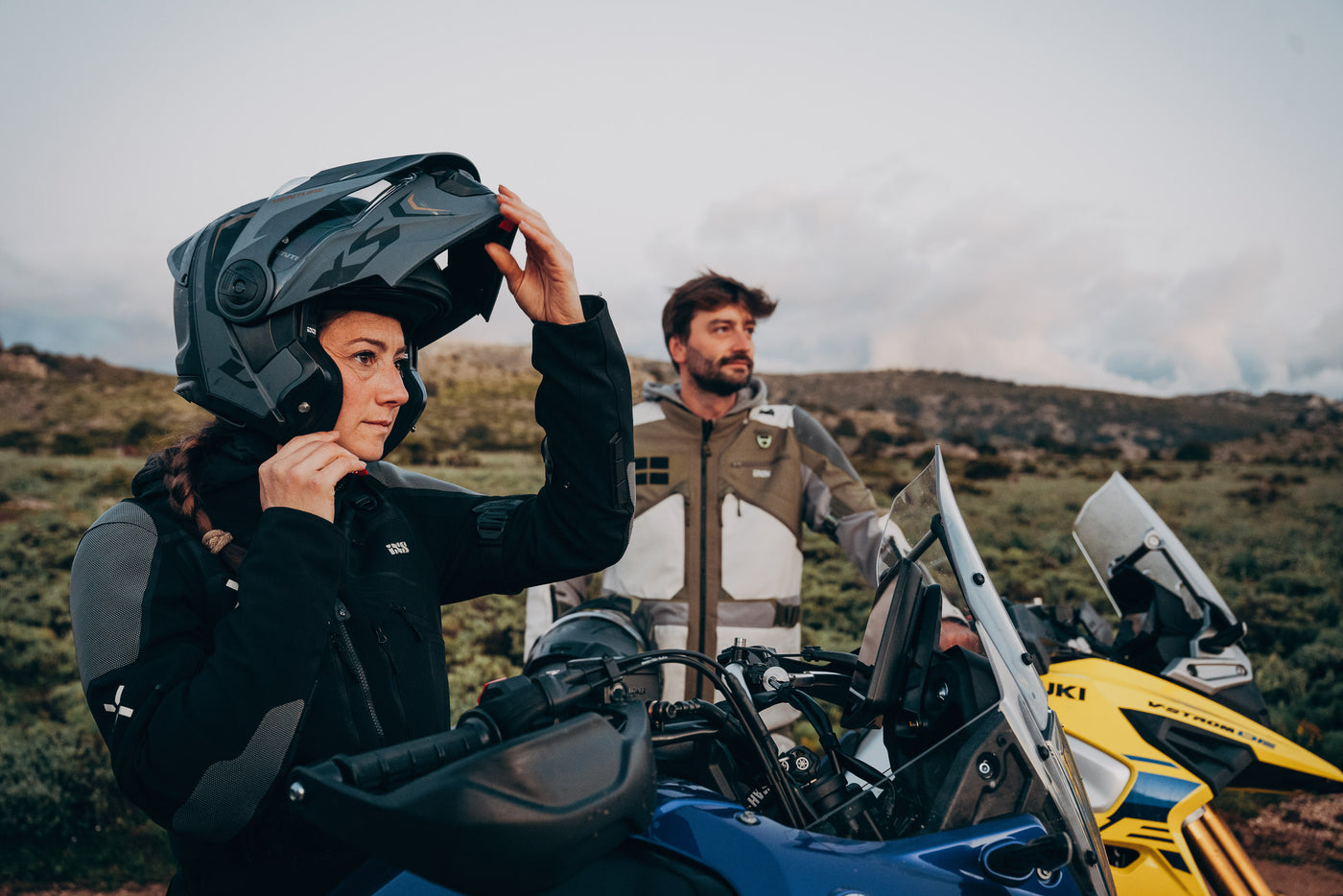
This is where the most common mistakes happen. Many beginners opt for a "more comfortable" size. What feels good in the store is often not ideal on the motorcycle.
Typical mistake:
- "Feels loose = fits better"
- Deliberately choosing one size up
- Focus on comfort instead of function
What actually matters
Motorcycle gear should:
- Fit close to the body without pressure points
- Not shift out of place
- Keep protectors firmly in position
- Not flap at speed
At the same time, it must:
- Provide sufficient freedom of movement
- Remain comfortable for extended periods
An important point: good motorcycle gear can feel unfamiliar when standing still, but works optimally in the riding position.
Comfort Means Wearing It
Uncomfortable gear won't be worn in the long run. This defeats the entire safety concept. That's why the balance is key: as close-fitting as necessary for safety, as flexible as possible for comfort.

The Role of Stretch Materials
Modern materials solve exactly this problem:
- Ensure a precise fit
- Increase freedom of movement
- Improve comfort on long rides
They are also essential for airbag systems, as these can only deploy correctly if sufficient flexibility is present. That's why iXS relies on X-Stretch.

Use & Weather: Choosing the Right Gear
Your gear should match your riding behaviour, because requirements differ significantly depending on use. While occasional riders in good weather prioritise comfort and ease of use, daily commuters need reliable protection in all weathers as well as functional features. Touring or long-distance riders, on the other hand, benefit from high wearing comfort over many hours, good ventilation, and a versatile, adaptable setup. In other words, depending on use, the requirements for the following change:
- Waterproofing
- Ventilation
- Insulation

Layering as the Solution
If you want to be flexible on the go, the Layering principle helps:
- Multiple layers instead of one-size-fits-all
- Adapting to temperature and weather
- Greater versatility from your gear
Ventilation: A Real Safety Factor
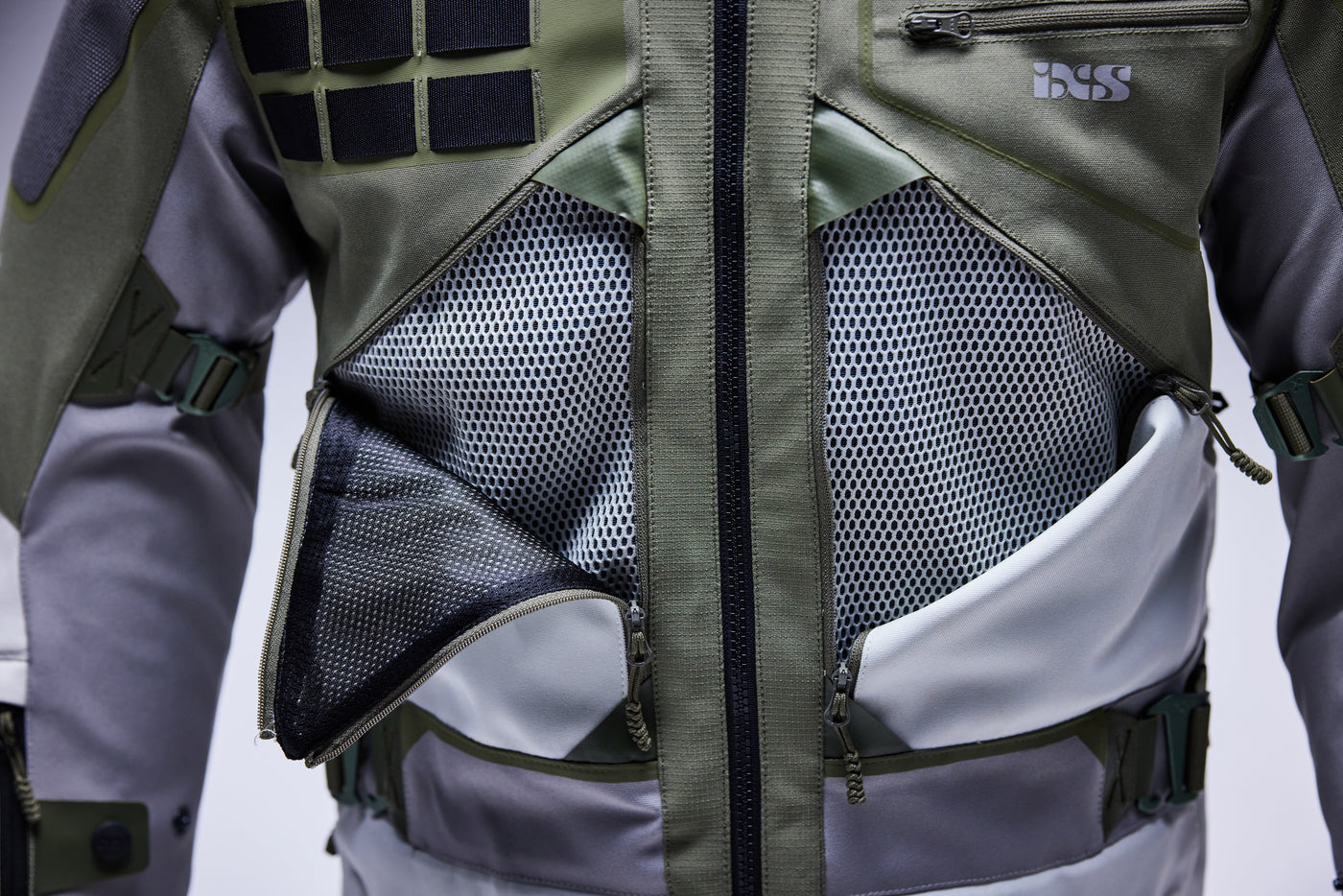
Ventilation is not just a comfort feature – it directly contributes to your safety. Heat reduces your concentration and therefore your reaction time. Well-designed ventilation systems help regulate body temperature: with leather, air circulation usually happens through perforations, while textile clothing uses ventilation openings or large-scale panels to direct sufficient fresh air to the body.
Differences mainly lie in the type of ventilation:
- Targeted ventilation
- Continuous air circulation
Depending on use, both can make sense.
At iXS, two different systems are used for this:
- Air – variable ventilation with adjustable openings
- BigAir – continuous ventilation with large-scale panels for maximum airflow
Both variants offer more ventilation area than conventional jackets and trousers, and are identifiable by the suffix "Air" or "BigAir" in the product name.
What Motorcycle Gear Do I Need?
The choice of gear depends heavily on how you use your motorcycle. Depending on the area of use, requirements for comfort, protection and functionality differ significantly – all iXS setups can also be optionally complemented with an airbag for additional safety.
City & Commuting
Light, flexible, and suitable for everyday use: you need gear that protects without adding bulk.
A jacket that also works visually in everyday life, combined with motorcycle
jeans, light shoes or trainers, and matching gloves – ideal for short distances
and daily use.
Touring
Comfortable, weatherproof, and designed for long distances: reliability is the focus here. A jacket and trousers with a membrane, matching gloves and boots ensure you can ride in all weathers. Gear that still works after many hours in the saddle.
Sport Touring
The mix of dynamism and everyday use: for quick weekend rides and twisty mountain passes you need
sporty-cut gear that also offers enough comfort and weather protection to stay flexible.
Racing
Maximum safety for maximum performance: if you want to push to the limit, there's no way around a leather suit. It offers the highest abrasion resistance. Combined with an airbag system you have additional protection and more confidence on the track.
Adventure
Versatile, robust,and ready for anything: functionality is what counts here. Different weather conditions and long trips call for a flexible setup – intelligent Layering, robust materials, and maximum versatility are central.
Conclusion: Safety Creates Confidence
The right motorcycle gear not only protects you in an emergency. It also ensures you feel safe and can focus fully on riding. Especially as a beginner, this is crucial.
Urban
-


Rapid J 1.0 Chalky jet helmet - matt black
€129,00 EURUnit price /UnavailableIn stock -


Rapid-BigAir 1.0 jacket - dark blue
€159,00 EURUnit price /UnavailableIn stock -

 €249,00 EURUnit price /UnavailableIn stock
 -
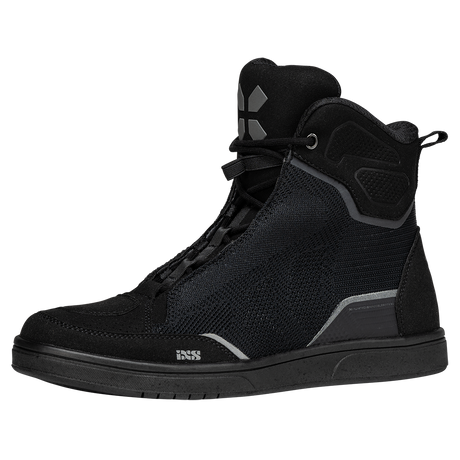
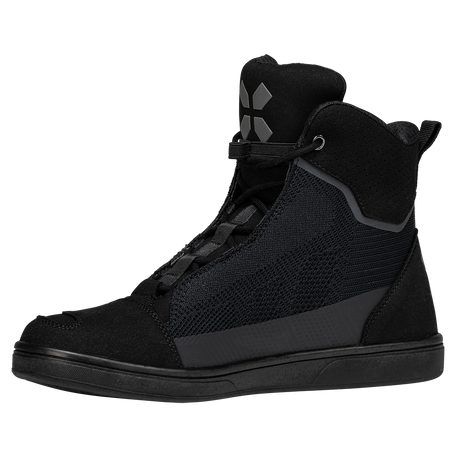 €169,95 EURUnit price /UnavailableIn stock
 -
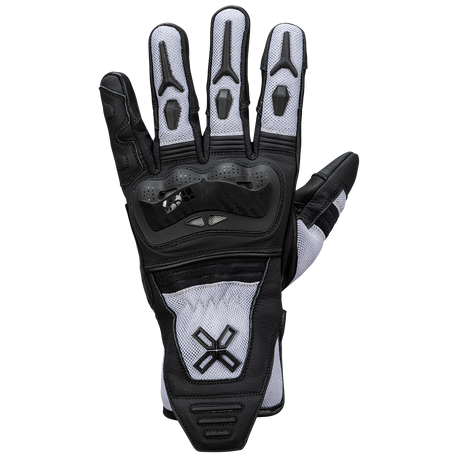
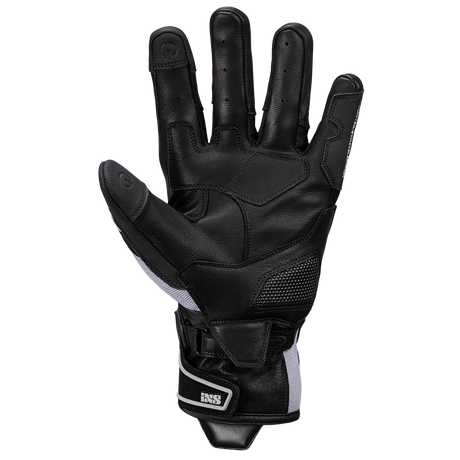
Women's Rapid-Air 1.0 gloves black-light grey
€69,95 EURUnit price /UnavailableIn stock


Touring
-


Rapid 1.0 Chalky full face helmet - matt grey
€249,00 EURUnit price /UnavailableIn stock -


Tourster-STX 2.0 laminated jacket - black
€479,00 EURUnit price /UnavailableIn stock -
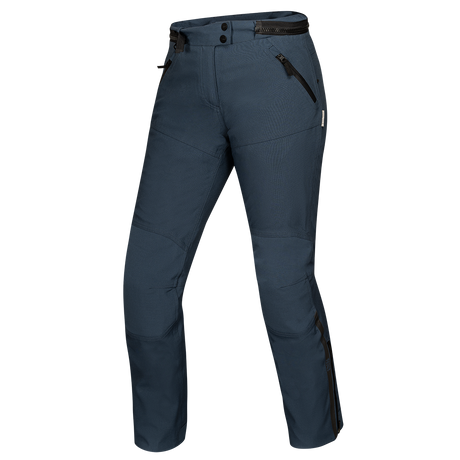
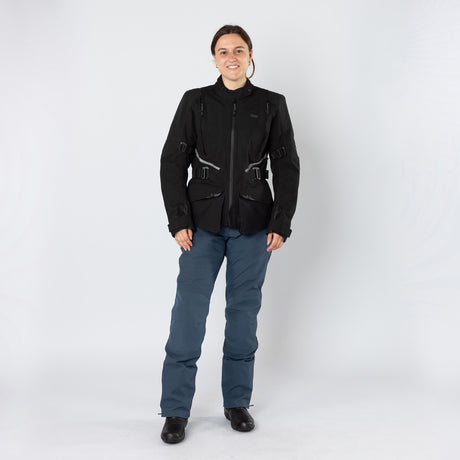
Women's Tourster-STX 1.0 laminated pants blue
€229,95 EURUnit price /Unavailable -
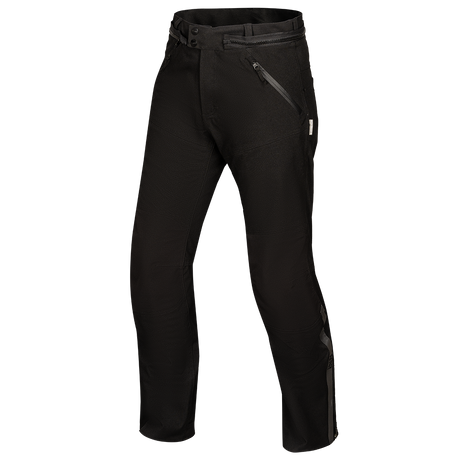
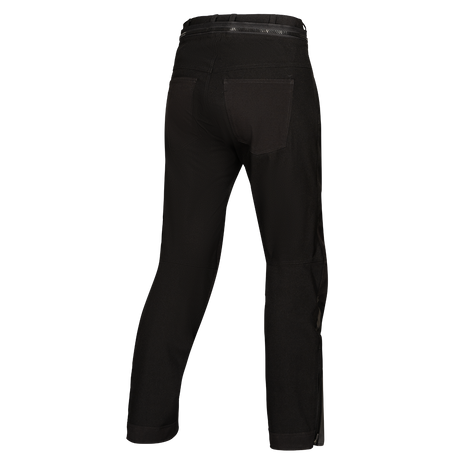
Tourster-STX 1.0 laminated pants black
€229,95 EURUnit price /UnavailableIn stock -

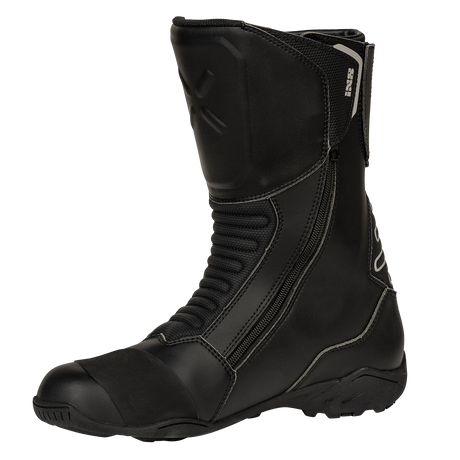
Tourster-STX 1.0 boots - black
€199,00 EURUnit price /UnavailableIn stock -


Tourster-GTX 1.0 laminated gloves - black-cool grey-dark grey
€169,00 EURUnit price /UnavailableIn stock


Sporttouring
-
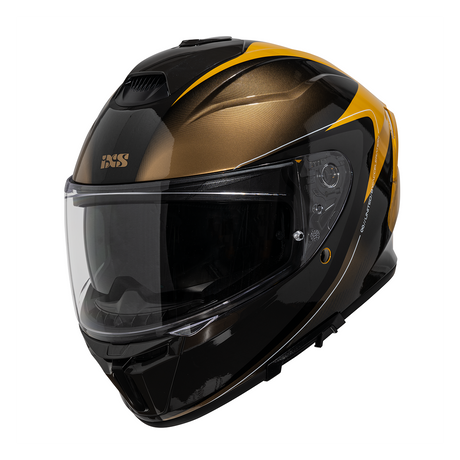

Rapid 1.0 Graphic full face helmet - mango-anthracite
€279,00 EURUnit price /UnavailableIn stock -


Rapid-STX 2.2 laminated jacket - black-cool grey
€199,00 EURUnit price /UnavailableIn stock -


Rapid-STX 2.0 laminated pants - black
€249,00 EURUnit price /UnavailableIn stock -


Tourster-STX 1.1 boots - black
€179,00 EURUnit price /UnavailableIn stock -
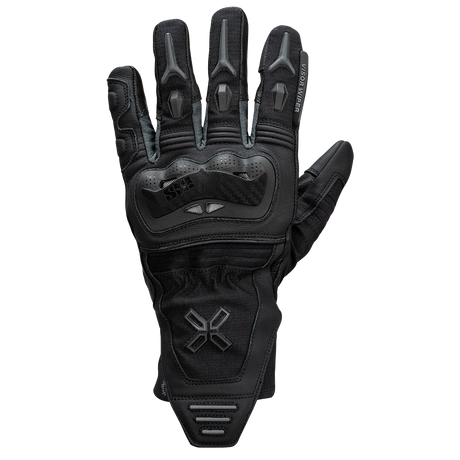
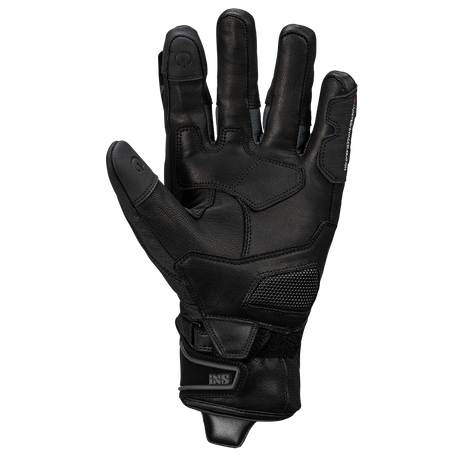 €89,95 EURUnit price /UnavailableIn stock


Adventure
-


Venture 1.0 MIPS flip-up helmet - matt black-gold
€399,00 EURUnit price /UnavailableIn stock -


Women's Venture-Air 1.0 jacket light grey-olive
€499,95 EURUnit price /UnavailableIn stock -
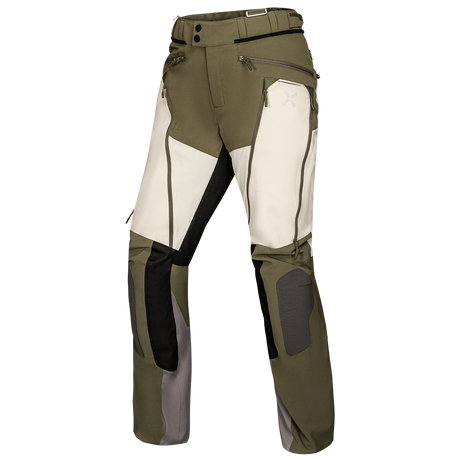
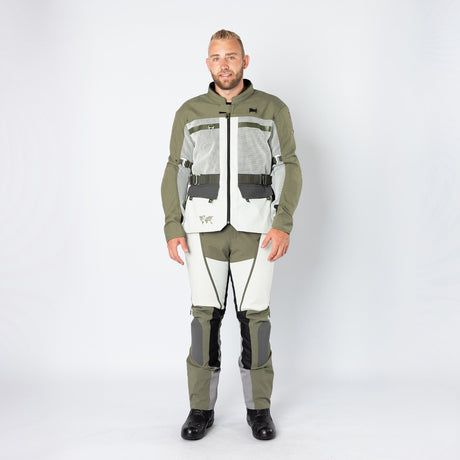
Venture-Air 1.0 pants light grey-olive
€349,95 EURUnit price /UnavailableIn stock -
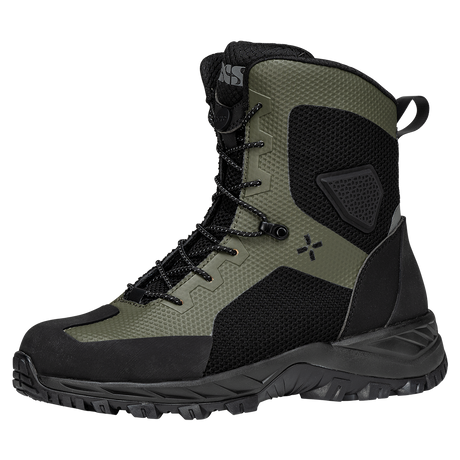
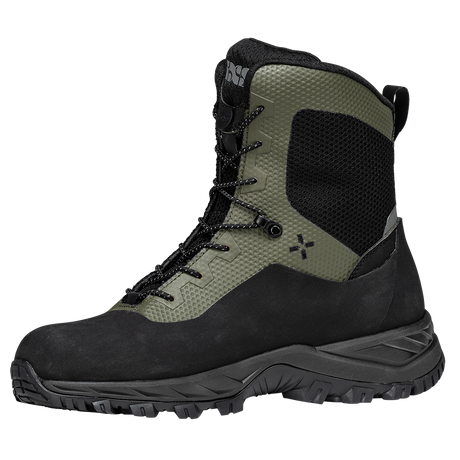
Venture-Air 1.0 boots olive-black
€199,95 EURUnit price /UnavailableIn stock -


Venture-Air 1.0 gloves - black-cool grey
€89,90 EURUnit price /UnavailableIn stock


